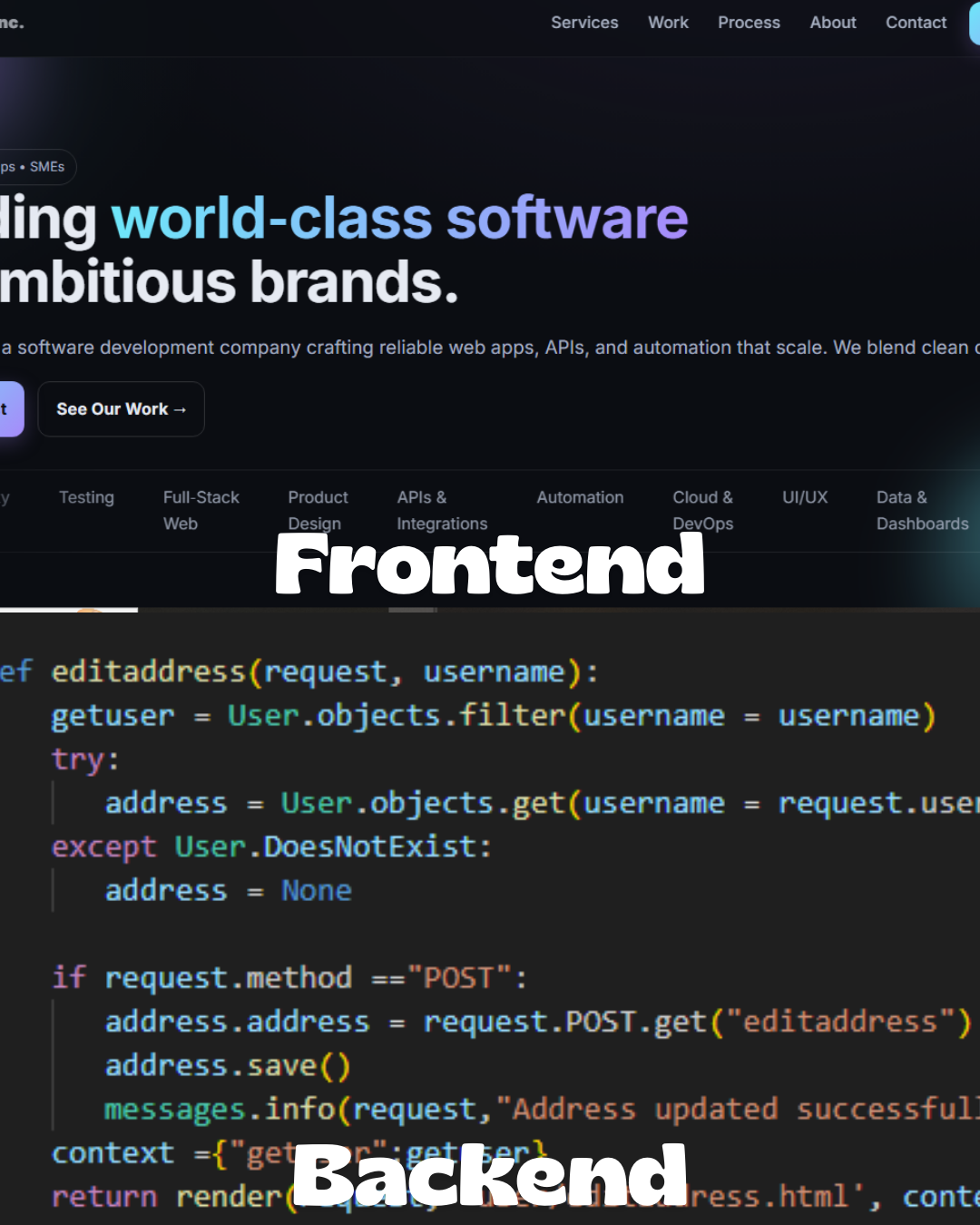
Frontend vs Backend Development: Which Should You Choose?
1. Introduction
The tech world keeps expanding, and one of the most common questions beginners ask is: “Should I learn frontend or backend development?” Both paths are powerful and rewarding, but they focus on different parts of how websites and apps work. If you understand how each one works, what skills they require, and the type of jobs available, you’ll make a smarter decision about where to start your tech journey. In this guide, I’ll break everything down in a simple, friendly way so you can confidently choose the best path for you.
If you’re still new to the tech world and wondering how people get started, you should check out my guide on how to become a software engineer in 2026. It breaks down the whole journey for beginners.
What Is Frontend Development?
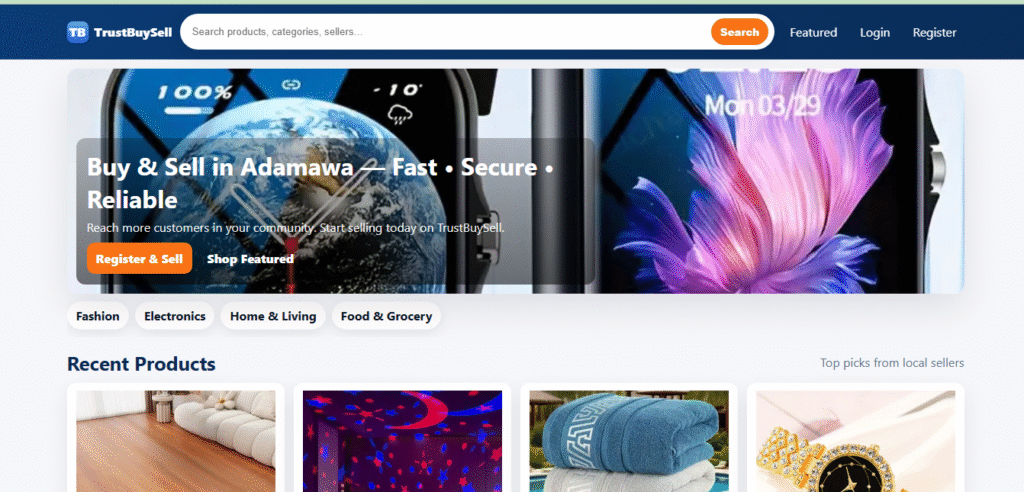
Frontend development is everything that users see, interact with, and experience when visiting a website or using an app. When you click a button, scroll through a homepage, hover over a menu, or watch animations — that’s frontend work.
Frontend developers focus on appearance, layout, responsiveness, and user experience. They turn designs into real, working pages using code. If you enjoy creativity mixed with technical skills, frontend might be perfect for you.
Frontend is actually one of the first areas beginners learn when starting their tech journey. I explained this in detail in my article on how to become a software engineer in 2026.
Skills You Need for Frontend Development
To succeed as a frontend developer in 2025, here are the main skills you’ll need:
- HTML (structure of a page)
- CSS (styling, colors, fonts, layout)
- JavaScript (the brain that adds interactivity)
- Responsive design (making websites look good on phones, tablets, laptops)
- Frontend frameworks like React, Vue, or Angular
- UI/UX understanding
- Version control (Git & GitHub)
These skills make your sites functional, beautiful, and fast. Frontend roles combine design principles with coding logic, so it’s great for people who enjoy visual creativity.
What Is Backend Development?
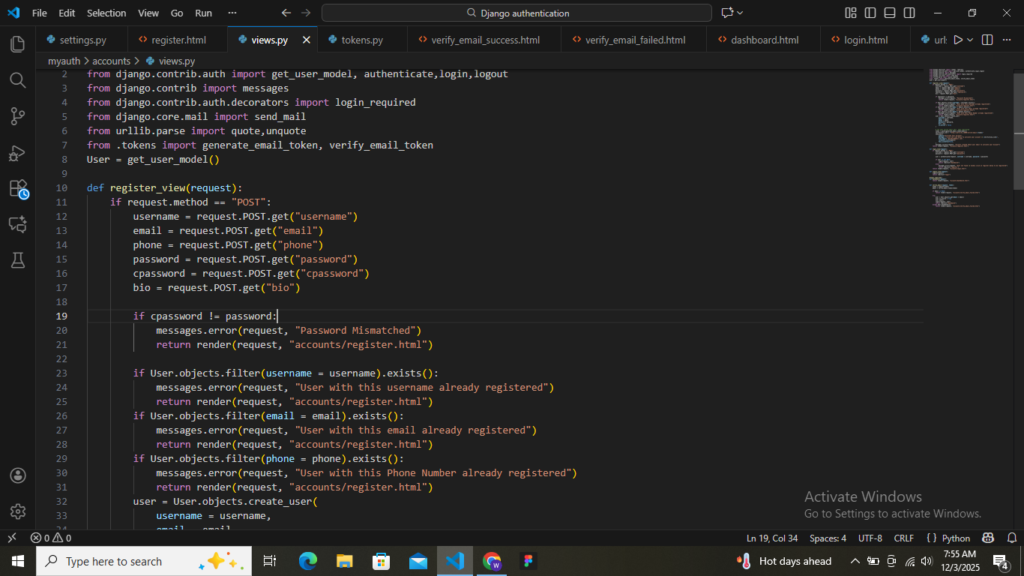
Backend development focuses on everything that happens behind the scenes of a website. Users never see this part, but it powers everything — account creation, login, payments, dashboards, APIs, databases, and more.
If frontend is the face of a website, backend is the brain and engine that keeps everything running. Backend developers write the logic, build APIs, manage databases, and ensure security and performance.
Many people who are learning backend also follow the software engineer roadmap. If you haven’t seen it yet, read my beginner-friendly guide on how to become a software engineer in 2026
Skills You Need for Backend Development
To become a backend developer in 2025, here are the core skills you need:
- Programming languages like Python, PHP, Node.js, Java, or C#
- Backend frameworks such as Django, Laravel, Express.js, Spring, etc.
- Database knowledge: MySQL, PostgreSQL, MongoDB, SQLite
- API design (REST, GraphQL)
- Authentication and security
- Server management and deployment
- Version control (Git & GitHub)
Backend suits people who enjoy logic, data, problem-solving, and building the foundation of software systems.
Major Differences Between Frontend and Backend
Here’s the simplest way to compare both:
| Feature | Frontend | Backend |
|---|---|---|
| Focus | Look & feel | Logic & functionality |
| Tools | HTML, CSS, JS | Python, PHP, Node.js |
| Skills | Design + coding | Data + logic |
| Visibility | User-facing | Hidden |
| Creativity | High | Medium |
| Complexity | Visual complexity | Logical complexity |
Both are equally important — one can’t function without the other.
Which Path Is Better for Beginners?
There’s no “best” path — only the best path for you. But here’s a helpful guide:
Choose Frontend if you:
- Love designs
- Enjoy visuals and creativity
- Want to see immediate results
- Prefer working on user experience
Choose Backend if you:
- Like solving deep logical problems
- Prefer working with data
- Want to build APIs, authentication, and complex systems
- Don’t care much about visuals
If you’re unsure, frontend is usually easier for absolute beginners because you see results quickly.
If you’re confused about which path fits you, my post on how to become a software engineer in 2026 explains how beginners can choose the right learning direction.
Job Opportunities and Salary Comparison
Both frontend and backend developers are in high demand globally and in Nigeria.
Frontend developer roles:
- UI/UX developer
- React developer
- Web designer + developer
- Mobile web developer
Backend developer roles:
- Python/Django developer
- PHP/Laravel developer
- Node.js developer
- API engineer
- DevOps engineer (advanced path)
In many countries, backend roles pay slightly higher because of the complexity, but frontend roles are equally lucrative especially with frameworks like React.
What If You Want Both? (Full-Stack Development)
If you enjoy both sides or want to be more flexible, full-stack development might be the perfect choice. Full-stack developers can handle everything — frontend and backend. They understand how entire applications work and can build complete products on their own.
Common full-stack stacks include:
- MERN (MongoDB, Express, React, Node.js)
- Django + React
- Laravel + Vue.js
This path opens more freelance opportunities and makes you extremely valuable in startups.
How to Choose the Right Path for Your Future
Choosing between frontend and backend depends on three things:
- Your interest — what excites you more?
- Your career goals — freelancing, remote jobs, startup work, enterprise roles?
- Your learning style — visual or logical problem-solving?
Remember, there’s no wrong choice. What matters is consistency, practice, and building real-world projects. You can even switch paths later — many developers do.
Conclusion
Frontend and backend development are both amazing fields with huge opportunities in 2025 and beyond. What matters most is choosing the path that aligns with your passion and learning style. Start small, stay consistent, and build real projects. Whether you choose frontend, backend, or full-stack development, you’re stepping into a powerful career that will continue to grow for years.
Whether you choose frontend or backend, both paths are part of the larger journey of becoming a software engineer. If you want a full step-by-step breakdown, check out my main guide on how to become a software engineer in 2026.

If you found this guide helpful and want to stay updated with more tips, tutorials, and resources on becoming a software engineer, connect with us on Facebook!
Join our growing community where we share:
- Step-by-step coding tutorials
- Beginner-friendly project ideas
- Career advice for software engineers
- Tips to land your first tech job