How to Become a Software Engineer in 2026
1. Introduction
Becoming a software engineer in 2026 is one of the smartest career moves you can make. Technology continues to grow at an incredible pace, and companies around the world are constantly looking for skilled software developers to build websites, mobile apps, software tools, and even artificial intelligence solutions.
Whether you’re a complete beginner with no coding experience or someone looking to switch careers, this guide will give you a clear roadmap to becoming a professional software engineer as I was guided and coahed at Baze University Abuja. We’ll cover everything from the skills you need, the best programming languages to learn, to building real projects that make your resume stand out.
By the end of this guide, you’ll know exactly what steps to take, the resources to use, and how to position yourself to get your first job or freelance opportunity as a software engineer. If you follow this roadmap carefully and stay consistent, you could start your journey to a rewarding career in tech in less than a year.
What Is Software Engineering?
Software engineering is the process of designing, developing, testing, and maintaining software applications. In simple terms, software engineers create the programs and tools we use every day, from mobile apps and websites to complex systems that run businesses and banks.
It’s different from just coding. While programmers write code to solve a specific problem, software engineers take a bigger-picture approach—they plan, design, and structure software so it’s efficient, scalable, and reliable. Think of a programmer as someone who builds a single room, while a software engineer designs the blueprint for an entire building.
There are many types of software engineers, each specializing in a particular area:
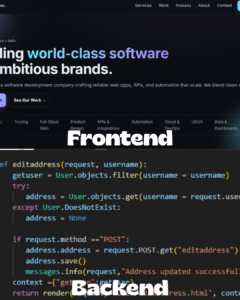
- Frontend engineers focus on what users see and interact with on websites and apps.
- Backend engineers work on servers, databases, and application logic.
- Full-stack engineers do both frontend and backend work.
- Mobile developers specialize in building apps for Android or iOS devices.
- AI and Machine Learning engineers create smart systems that can learn and make decisions.
- DevOps engineers ensure software is deployed efficiently and runs smoothly.
Understanding these roles will help you choose a path that fits your interests and career goals as you start your software engineering journey.
Skills Required to Become a Software Engineer
This is where I was actually making mistake when I first started, but becoming a software engineer isn’t just about writing code; it’s about developing a combination of technical and soft skills that make you an effective problem solver. Let’s break down the most important skills you need as a beginner.
Technical Skills
- Programming Languages: You need to learn at least one programming language well. Python (which was my first language to learn) is great for beginners, JavaScript is essential for web development, and Java or C# can open doors in larger software systems.
- Algorithms and Data Structures: Understanding how to organize and manipulate data efficiently is crucial. These fundamentals help you write code that runs faster and handles larger workloads. Do you want to learn data structures and algorithms? Get it here
- Database Knowledge: Knowing how to store and retrieve data using SQL or NoSQL databases is vital for almost every software project.
- Version Control: Tools like Git and platforms like GitHub allow you to track changes in your code, collaborate with others, and manage projects professionally.
- Debugging: Identifying and fixing errors in code is a key part of daily work as a software engineer.
Soft Skills
- Problem-Solving: Every project has challenges, and the ability to break problems into smaller steps is essential.
- Communication: Whether working with a team or explaining your project to non-technical people, clear communication makes a huge difference.
- Teamwork: Software projects are rarely solo efforts. Knowing how to work with others, give feedback, and accept suggestions is important.
- Time Management: Managing tasks and meeting deadlines is critical, especially when handling multiple projects or jobs.
By developing both technical and soft skills, you’ll be well-prepared to take on real-world software engineering projects and stand out to employers or clients.
Choose Your Path: Frontend, Backend, Full-Stack, Mobile, AI, DevOps
One of the first steps in becoming a software engineer is deciding which path aligns with your interests and career goals. Software engineering is broad, and different roles focus on different aspects of building software. Choosing the right path early will help you focus your learning and build relevant skills, this is what slowed my growth as a software engineer, I started learning different things without focusing on a single path.
1. Frontend Development
Frontend engineers create everything users see and interact with on websites and applications. This includes designing layouts, buttons, forms, and interactive features. If you enjoy visual design, user experience, and building interfaces, frontend development may be for you.
- Skills to learn: HTML, CSS, JavaScript, React, Vue.js
2. Backend Development
Backend engineers work behind the scenes to ensure software works efficiently. They manage databases, servers, and application logic. If you enjoy problem-solving, working with data, and writing efficient code, backend development is a great choice.
- Skills to learn: Python, Django, Node.js, SQL, APIs
3. Full-Stack Development
Full-stack engineers handle both frontend and backend development. They are versatile and in high demand because they understand the entire system. If you like building complete projects from start to finish, full-stack might be ideal.
- Skills to learn: Combination of frontend and backend technologies
4. Mobile Development
Mobile developers create apps for smartphones and tablets. This is perfect if you are interested in Android or iOS applications.
- Skills to learn: Kotlin or Java for Android, Swift for iOS, React Native or Flutter for cross-platform apps
5. AI and Machine Learning
AI engineers design systems that can learn, predict, and make decisions. This is for those who enjoy mathematics, data analysis, and advanced problem-solving.
- Skills to learn: Python, TensorFlow, PyTorch, data analysis, statistics
6. DevOps
DevOps engineers focus on deploying software, automating workflows, and maintaining server infrastructure. If you like efficiency, automation, and cloud technologies, DevOps is a rewarding path.
- Skills to learn: Linux, Docker, Kubernetes, AWS or Azure, CI/CD tools
Choosing a path doesn’t mean you can’t switch later. Many software engineers start in one area and expand their skills over time. The key is to pick a starting point, focus, and gain experience through projects and practice.
Programming Languages to Learn First
Choosing the right programming language to start with is one of the most important decisions for a beginner software engineer. The language you pick can make learning easier and help you build projects faster. Here are some of the best languages to start with in 2025:
1. Python

Python is widely regarded as the best language for beginners. Its simple syntax and readability make it easy to learn, and it’s extremely versatile. You can use Python for web development, automation, AI, data analysis, and more.
- Why start with Python: python is easy to read, beginner-friendly, huge community support, plenty of free learning resources which accelerate my learning.
2. JavaScript
JavaScript is the language of the web. If you want to build websites or web applications, learning JavaScript is essential. It works in browsers, and with frameworks like React, Vue, or Angular, you can create interactive websites.
- Why start with JavaScript: Essential for frontend development, allows you to build interactive web apps, widely used in the industry.
3. Java
Java is a popular language for building enterprise software, Android apps, and backend systems. It’s more structured than Python and can be a bit more challenging for beginners, but learning it opens doors in large companies.
- Why start with Java: Strong foundation in programming concepts, widely used in large applications, best in Fintech Industry, excellent career opportunities.
4. C#
C# is commonly used in game development with Unity, desktop applications, and backend systems. It’s a good choice if you are interested in building games or Windows applications.
- Why start with C#: Great for game development, integrates well with Microsoft technologies.
Tips for Beginners
- Don’t try to learn too many languages at once; start with one or two to avoid the problems I encountered.
- Focus on building small projects as you learn to solidify your understanding.
- Practice consistently on platforms like LeetCode, W3Schools, HackerRank, or Codecademy.
- Remember: mastering programming concepts is more important than knowing multiple languages.
Starting with the right language can make your journey to becoming a software engineer smoother and faster. Python is usually the easiest for most beginners, while JavaScript is essential for web-focused careers.
Learn the Fundamentals of Computer Science
While learning a programming language is important, understanding the fundamentals of computer science will set you apart as a software engineer. These basics give you a strong foundation, help you solve problems more efficiently, and make learning advanced concepts much easier.
1. Data Structures and Algorithms
Data structures are ways to organize and store data, while algorithms are step-by-step instructions to solve problems. Learning these concepts helps you write faster, more efficient code and is essential for technical interviews. Examples include arrays, linked lists, stacks, queues, trees, and sorting/searching algorithms.
2. Databases
Almost every software application uses a database. Learning how to store, retrieve, and manipulate data is critical. Start with SQL for relational databases and NoSQL databases like MongoDB for flexible data storage.
3. Computer Networks
Understanding how computers communicate over the internet is important for web and app developers. Learn about HTTP/HTTPS protocols, APIs, client-server architecture, and basic networking concepts.
4. Operating Systems
Familiarity with operating systems helps you understand how software runs and interacts with hardware. Basic knowledge of Linux commands, file systems, and processes will be helpful, especially for backend and DevOps roles.
5. Version Control
Version control systems like Git allow you to track changes in your code, collaborate with other developers, and manage projects professionally. This is essential for almost every software engineering job.
6. Problem-Solving Techniques
Computer science teaches you structured problem-solving techniques. Breaking down complex problems, analyzing solutions, and optimizing them are key skills for any software engineer.
Learning these fundamentals may seem challenging at first, but taking it step by step will make you job-ready faster. Even a basic understanding of these concepts will give you confidence to tackle real-world projects.
Build Real Projects
One of the most important steps in becoming a software engineer is building real projects. While learning programming languages and computer science fundamentals is essential, applying your knowledge through projects is what truly makes you job-ready. Projects demonstrate your skills to employers and clients, and they help you understand how concepts work in the real world.
Why Projects Matter
- Practical Experience: Working on projects allows you to practice coding in real scenarios.
- Portfolio Development: A strong portfolio is often more impressive than certificates or degrees.
- Problem-Solving Skills: Real projects teach you how to troubleshoot, debug, and optimize code.
- Confidence: Completing a project gives you a sense of accomplishment and prepares you for technical interviews.
Beginner-Friendly Projects
Here are some simple projects I started with which can also help you:
- To-Do List App: Learn CRUD operations and basic user interface design.
- Personal Portfolio Website: Showcase your skills, resume, and projects.
- Simple Blog Platform: Understand how web apps handle data and users.
- Calculator App: Practice logic and basic algorithms.
- Weather App: Learn how to fetch and display data from APIs.
Tips for Building Projects
- Start small and gradually take on more complex projects.
- Document your code and write clean, readable scripts.
- Upload projects to GitHub to share with potential employers.
- Include screenshots, explanations, and links in your portfolio.
Building real projects not only reinforces your learning but also creates tangible proof of your skills. Employers and clients value developers who can deliver working solutions, not just theoretical knowledge.
Master Developer Tools
Learning to code is only part of becoming a software engineer. To work efficiently and professionally, you need to master the tools that developers use every day. These tools help you write better code, manage projects, collaborate with others, and solve problems faster.
1. Version Control: Git and GitHub
Git is a version control system that tracks changes in your code, allowing you to revert to previous versions if something goes wrong. GitHub is a platform where you can host your code online, collaborate with other developers, and showcase your projects.
- Why it’s important: Every software development job requires version control skills.
- Beginner tip: Learn basic commands like
git init,git add,git commit, andgit push.
2. Code Editors and IDEs
An IDE (Integrated Development Environment) or code editor helps you write, test, and debug code efficiently. Popular tools include:
- VS Code: Lightweight, beginner-friendly, supports many languages.
- PyCharm: Great for Python development.
- JetBrains IDEs: Powerful tools for professional developers.
3. Terminal/Command Line Basics
Understanding how to navigate your computer using the terminal is essential for running scripts, managing files, and deploying applications. Commands like cd, ls, mkdir, and rm are commonly used.
4. Productivity Tools for Developers
Using the right tools can boost your productivity:
- Postman: Test APIs and see responses.
- Notion or Trello: Organize tasks and projects.
- Slack or Discord: Communicate with teams effectively.
5. Debugging and Testing Tools
Learning how to debug errors and test your code is vital. Tools like browser developer tools, Python’s pdb, or unit testing frameworks help identify issues quickly.
Mastering these tools early in your journey makes you more confident, efficient, and professional, which is exactly what employers look for.
How to Get Experience (Internships, Freelancing, Open Source)

Gaining practical experience is one of the most important steps in becoming a software engineer. Even if you’ve learned the skills and built projects, employers want to see that you can apply your knowledge in real-world scenarios. Fortunately, there are several ways to gain experience, even as a beginner.
1. Internships
Towards the end of my studies at Baze University, I was able to secure an internship with ToshConsult Technologies Inc. Kwara State Illorin where I div deep into Backend with Python. Internships provide hands-on experience in a professional environment. Many companies offer remote or in-person internships for beginners. During an internship, you’ll work on real projects, learn workplace collaboration, and build connections with industry professionals.
- Tip: Apply early, prepare a simple portfolio, and don’t worry if you don’t meet all the requirements—willingness to learn matters most.
2. Freelancing
Freelancing allows you to work on small projects for clients while learning at your own pace. Platforms like Upwork, Fiverr, and Freelancer make it easy for beginners to find small gigs.
- Tip: Start with simple tasks, like building a personal website or small web apps, and gradually take on larger projects.
- Freelancing helps you earn while learning and builds your credibility as a software engineer.
3. Open Source Contributions
Contributing to open source projects on platforms like GitHub is a great way to collaborate with experienced developers. It teaches you version control, teamwork, and coding standards while allowing you to add real projects to your portfolio.
- Tip: Start by fixing small issues or improving documentation in beginner-friendly repositories.
4. Personal Projects
Even if you can’t get an internship or freelancing gig immediately, working on personal projects counts as experience. Build projects that solve real problems or reflect your interests, and share them on GitHub or your portfolio.
By combining internships, freelancing, open source contributions, and personal projects, you can build strong practical experience that will impress employers and help you land your first job as a software engineer.
How to Become Job-Ready (CV, Interviews, Applying)
After learning skills, building projects, and gaining practical experience, the next step is preparing for your first software engineering job. Being job-ready means having a strong CV, a professional portfolio, and the ability to confidently face interviews.
1. Crafting a Tech-Focused CV
Your CV is often the first impression employers have of you. Make sure it highlights:
- Your technical skills (programming languages, tools, frameworks)
- Projects you’ve completed, with links to GitHub or live demos
- Internships, freelance work, or open-source contributions
- Certifications or courses you’ve completed
Keep it clean, concise, and easy to read—1 page is enough for beginners.
2. Building a Professional Portfolio
A portfolio website showcases your projects, skills, and achievements. Include:
- Screenshots or demos of your projects
- Code samples with explanations
- A clear navigation layout
A portfolio is often more persuasive than a CV because it demonstrates your work in action.
3. Preparing for Technical Interviews
Technical interviews often include:
- Coding challenges: Practice problems on platforms like LeetCode or HackerRank
- Data structures and algorithms questions
- Behavioral questions: How you solve problems, teamwork experiences, and communication skills
- Tip: Practice explaining your thought process clearly while solving problems. Employers value logical thinking as much as correct answers.
4. Applying for Jobs
- Start with entry-level or junior developer positions
- Use platforms like LinkedIn, Glassdoor, Indeed, and Stack Overflow Jobs
- Network with developers online or through local meetups
5. Continuous Learning
Even after landing your first job, software engineering requires continuous learning. Stay updated with new technologies, frameworks, and tools to advance your career.
By focusing on these steps, you’ll be fully prepared to enter the job market confidently, showcase your skills, and secure your first role as a software engineer.
Conclusion
Becoming a software engineer in 2025 is an exciting and achievable goal, even if you’re starting from scratch. By following the steps outlined in this guide—learning programming languages, understanding computer science fundamentals, building real projects, mastering developer tools, gaining practical experience, and preparing for job opportunities—you can confidently start your journey into the tech world.
Remember, consistency is key. Progress may feel slow at times, but every project you complete, every problem you solve, and every new skill you learn brings you closer to your goal. Don’t be afraid to experiment, make mistakes, and ask for help along the way.
Start small, stay focused, and gradually build your skills and portfolio. Before you know it, you’ll be ready to land your first software engineering role, freelance project, or even create your own tech solutions. The tech industry is constantly evolving, and there’s no better time than now to start learning and growing as a software engineer.
Take the first step today, and keep moving forward—your career in software engineering awaits!
If you found this guide helpful and want to stay updated with more tips, tutorials, and resources on becoming a software engineer, connect with us on Facebook!
Join our growing community where we share:
- Step-by-step coding tutorials
- Beginner-friendly project ideas
- Career advice for software engineers
- Tips to land your first tech job